Penomo @SuperReturn Berlin - AI in Energy Transition Finance. Read more
3
min
The real climate action isn’t happening where you think
While the United States debates rollbacks and Europe wrestles with timelines, a different story is unfolding across the Global South. Countries with fast-growing populations and energy demand are going green — not slowly, not symbolically, but at industrial scale.
And at the center of this shift sits China.
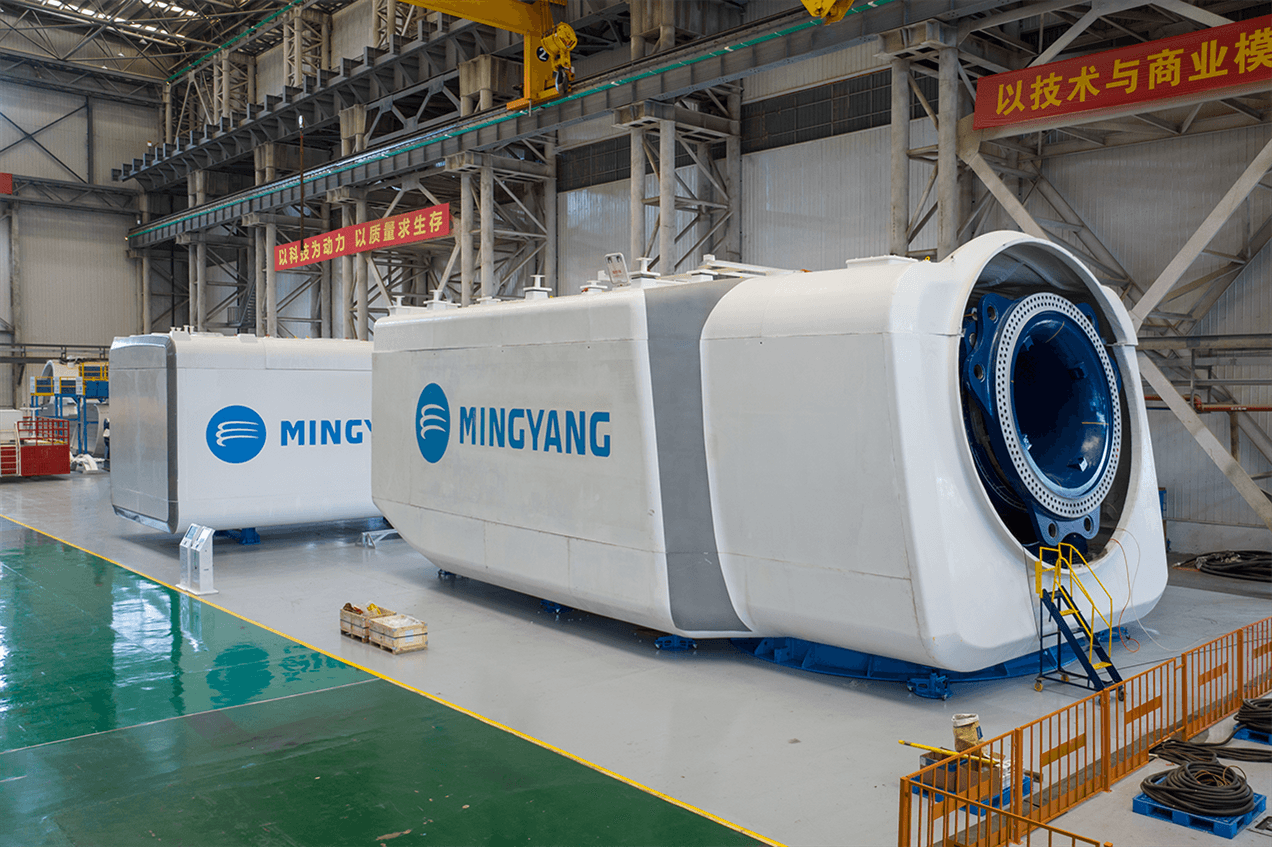
China has become the world’s dominant supplier of solar panels, wind turbines, batteries, and electric vehicles. That dominance is now enabling emerging economies to skip fossil-fuel lock-in altogether.
Green machines, not green slogans
Let’s ground this in reality.
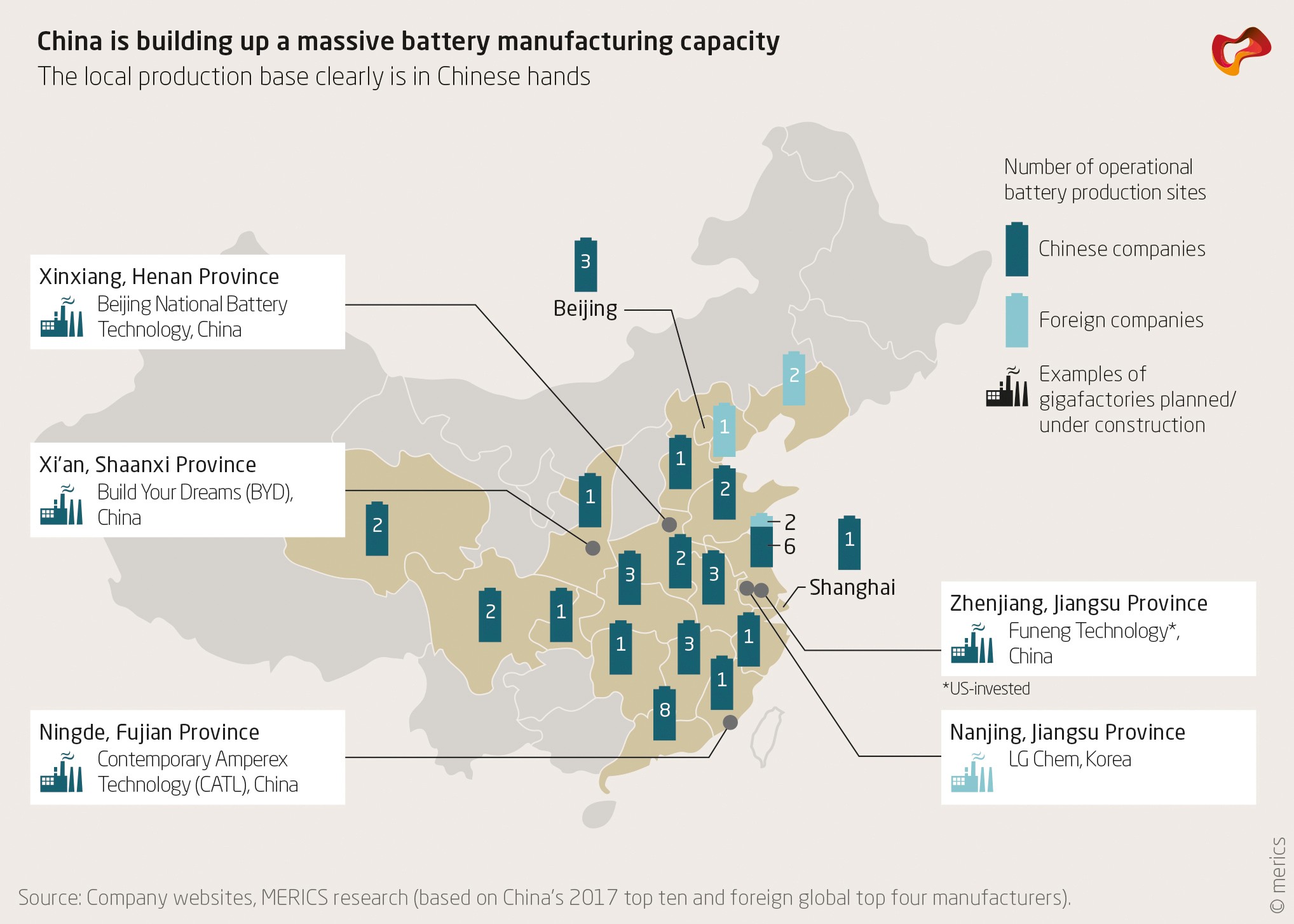
Over the last decade, China scaled clean-energy manufacturing faster than any country in history:
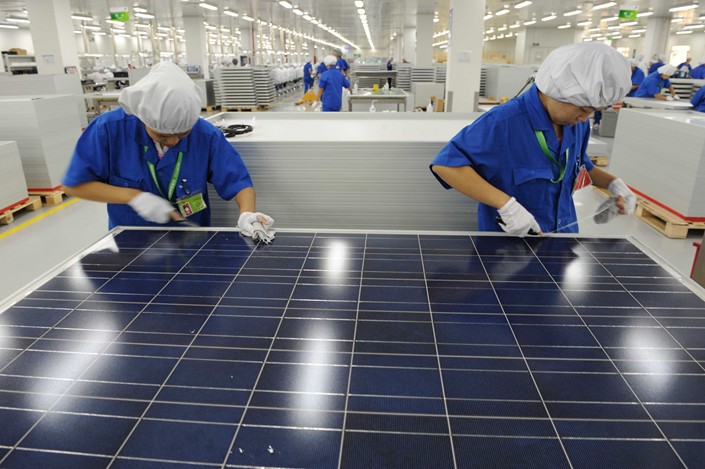
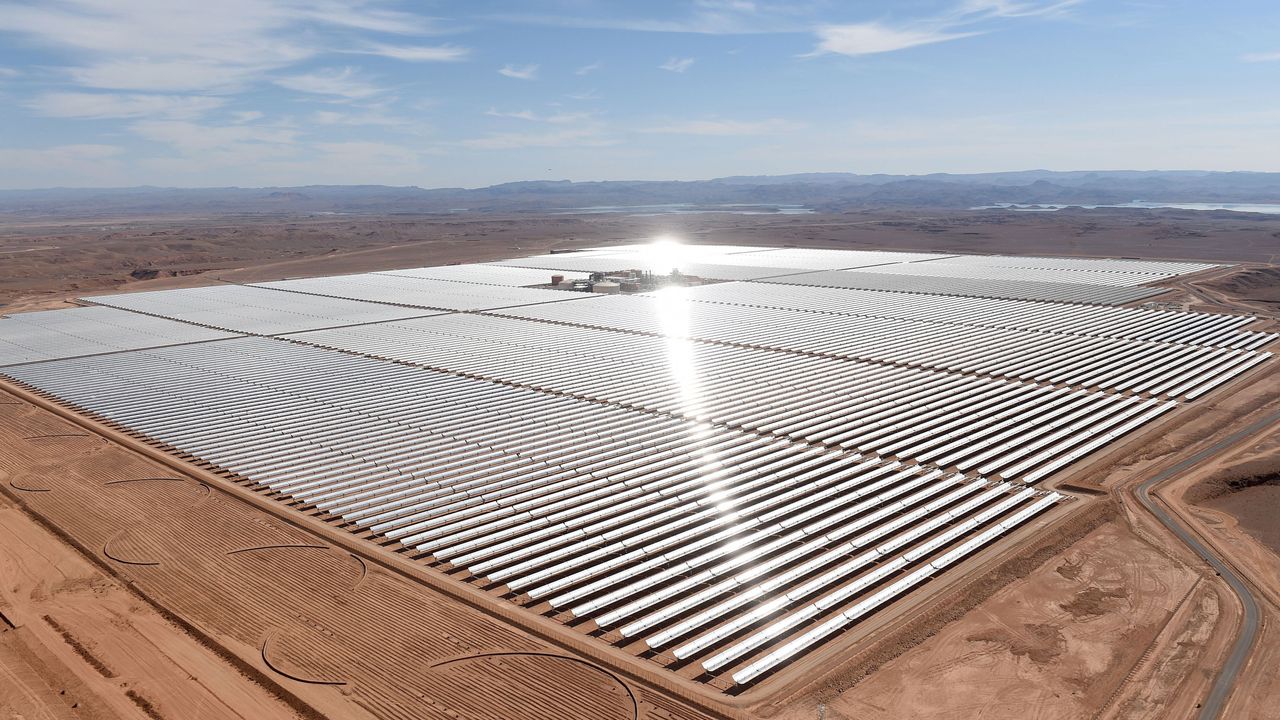
Over 80% of the world’s solar panels are now produced in China
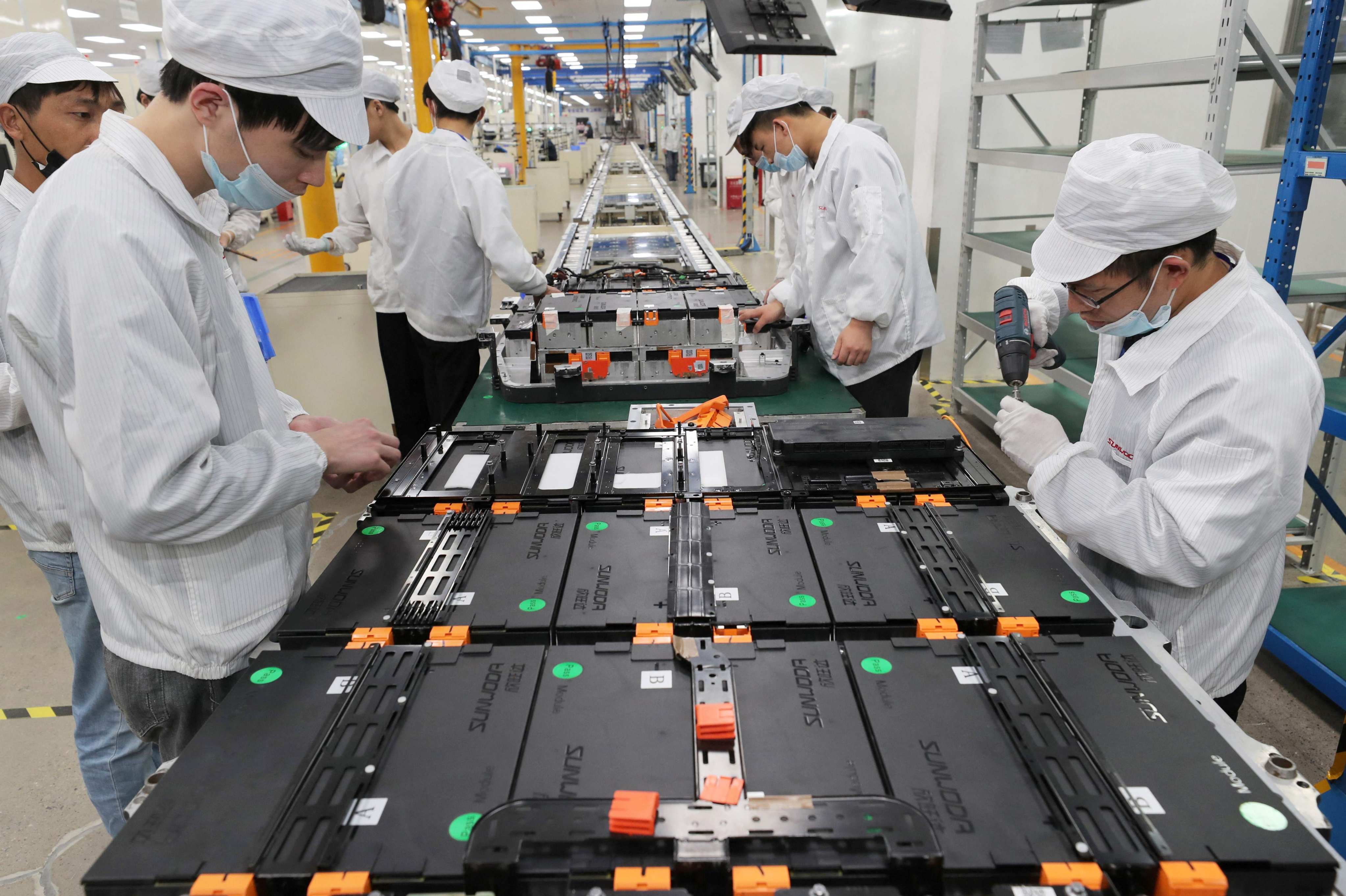
Battery pack prices have fallen nearly 90% since 2010, largely due to Chinese scale
Chinese firms dominate EV supply chains, from raw materials to final assembly
The result? Clean energy is no longer a luxury policy choice — it’s the cheapest option on the market.
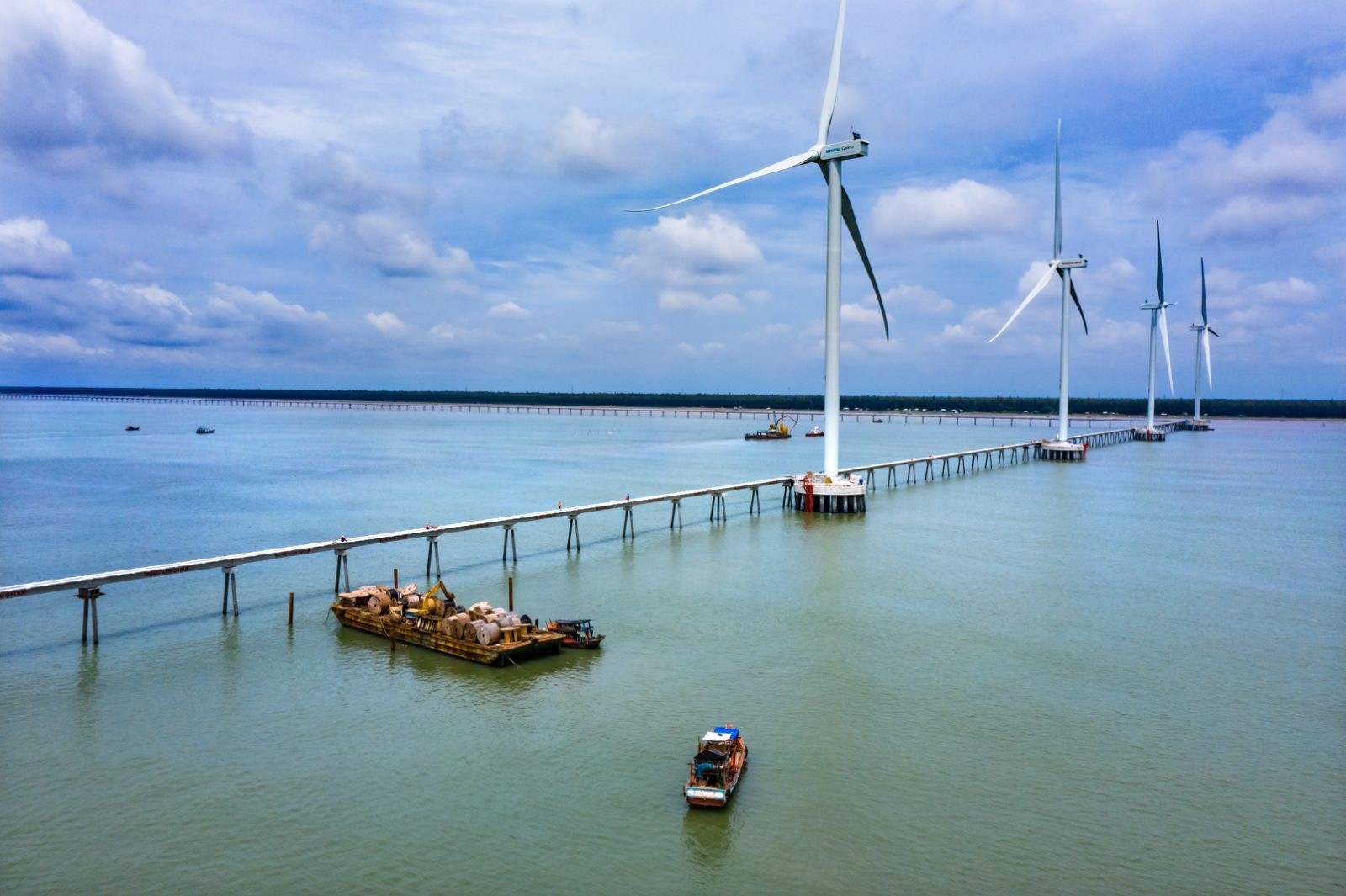
That’s why countries like Brazil, India, and Vietnam are expanding solar and wind capacity at record speed.
Poorer nations are leapfrogging even faster:
Ethiopia has banned imports of new gasoline cars
Nepal cut EV import taxes so electric cars are cheaper than gas
Nigeria, a petrostate, plans its first solar-panel manufacturing plant
This isn’t ideology. It’s economics.
The price drop that changed everything
Ten years ago, developing countries were told to “do their part” on climate → often at a cost to growth. That argument no longer holds.
Thanks to Chinese manufacturing scale:
Solar and wind are now cheaper than coal in most of the world
Countries can generate power domestically, reducing fuel imports
Clean energy projects create local jobs and industrial capacity
China has backed this shift with capital. Since 2011, it has invested nearly $250 billion in overseas clean-energy projects — most of it in the Global South. Adjusted for inflation, that’s more than the U.S. Marshall Plan after World War II.
A role reversal in climate leadership
A decade ago, the West pressured emerging economies to move faster. Today, many of those economies are outpacing developed nations.
Take India:
It recently announced that 50% of its electricity capacity now comes from renewables
That milestone arrived five years ahead of its Paris Agreement target
Elsewhere:
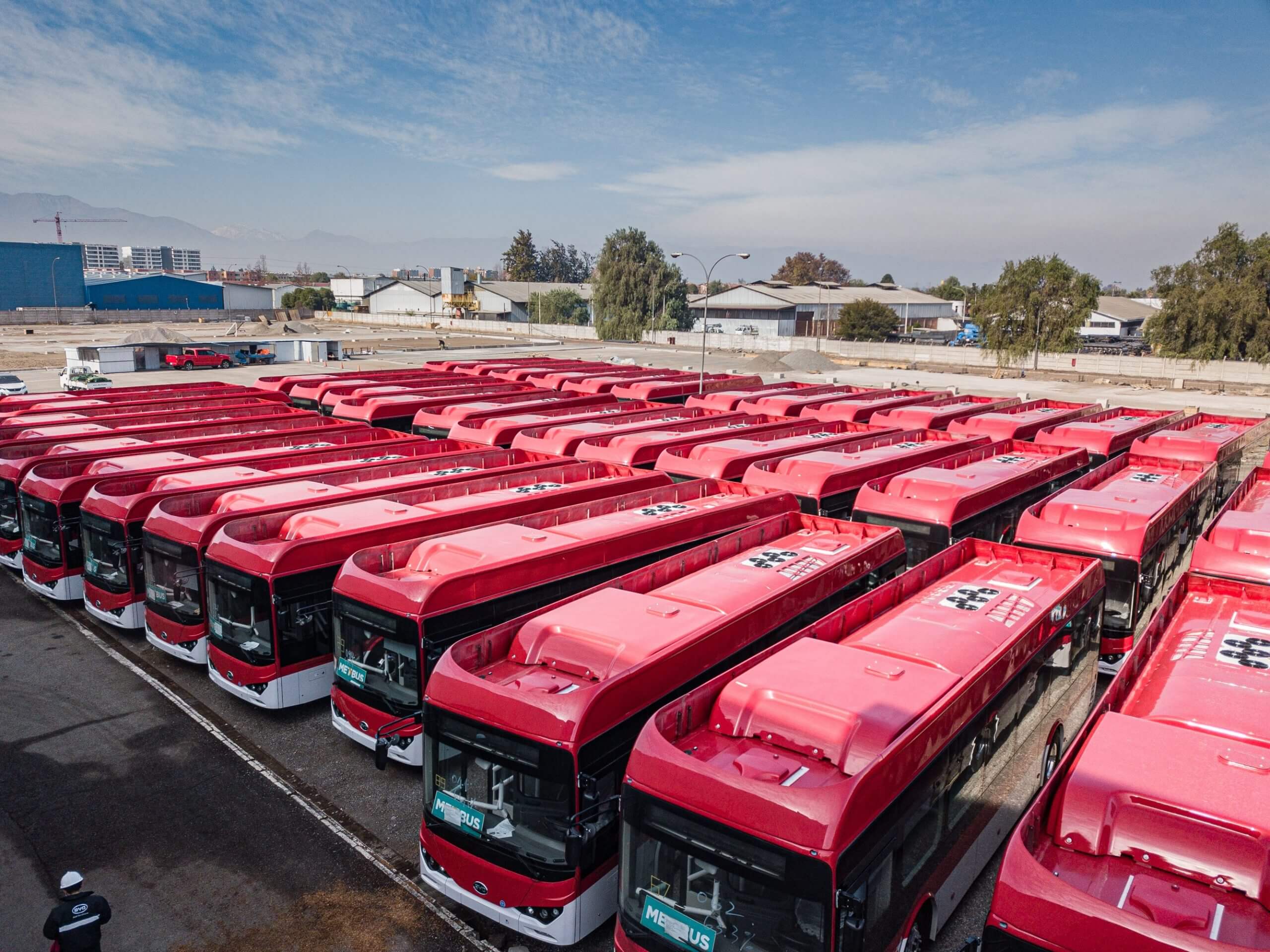
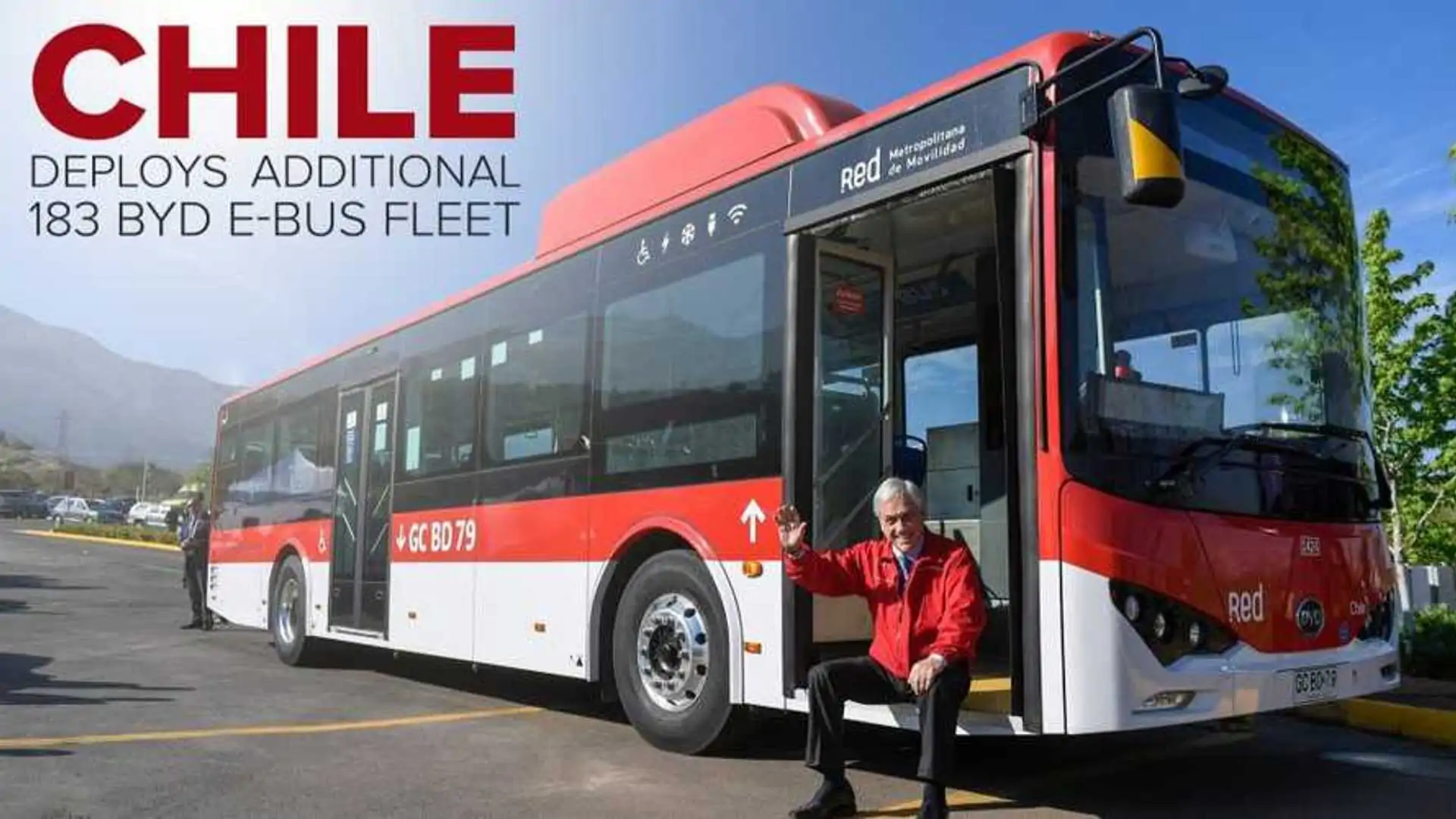
Santiago has electrified over half its bus fleet
Morocco is building a battery hub to supply European automakers
Brazil raised tariffs on car imports — not to protect gas vehicles, but to lure Chinese EV factories
This is climate action driven by industrial policy, not moral pressure.
The uncomfortable truth
None of this solves climate change on its own.
China remains the world’s largest emitter. Coal plants are still being built. Oil is still being pumped. There’s plenty of smoke in the air.
But here’s the critical shift:
For the first time, clean energy aligns with growth, affordability, and energy security for the countries that matter most.
Emerging economies hold:
The largest populations
The fastest energy demand growth
The biggest share of future emissions
If they don’t decarbonize, nothing else works.
And now, thanks largely to China’s green industrial machine, they actually can.
This matters for the next decade
This is the real “vibe shift.”
Climate progress is no longer led by who talks the loudest — but by who builds the cheapest, fastest, and most scalable systems.
China understood that early. The Global South is acting on it now.
The rest of the world will have to decide whether to compete, adapt — or import the future someone else already built.
About Penomo
Penomo is the AI-native operating system for private markets transactions.
We power private credit, private equity, and M&A workflows through modular infrastructure and powerful AI agents built for the real complexity of deal execution - from origination, underwriting and monitoring - designed by operators with deep experience in the space.
Our flagship product CredOS actively operates across Europe and North America enabling lean teams in private credit & infrastructure investment operations to operate at institutional scale. We address the €250B+ annual spend on fragmented, manual layers of private markets that is increasingly converging with the emerging €1T digital asset ecosystem.
→ Get hands-on: Start 7-Day Trial.